Beyond stockpiles: The overlooked art of staying clean when disaster strikes
02/24/2026 / By Zoey Sky
- In a collapsed society, basic cleanliness prevents deadly disease outbreaks and protects mental resilience, which is as crucial as physical safety.
- Stockpiled soaps and shampoos expire and become ineffective, so relying solely on them is risky for long-term scenarios.
- Effective cleaning can be achieved using historical methods and readily available natural materials, requiring a mindset shift from expecting suds to understanding how to remove grime and microbes.
- Key methods include using antimicrobial herbal washes, vinegar as a cleaner, gentle abrasives like clay or ash, the oil-cleansing method for skin and starchy cooking water for laundry.
- Natural methods work differently from modern soaps and require an adjustment period. Safety practices, like boiling wash water, correctly identifying foraged plants and avoiding harmful practices, are paramount to implement them successfully.
In the world of emergency preparedness, discussions often center on stockpiling food, securing water and fortifying homes. But one of the most critical components of survival is frequently relegated to the background: personal hygiene.
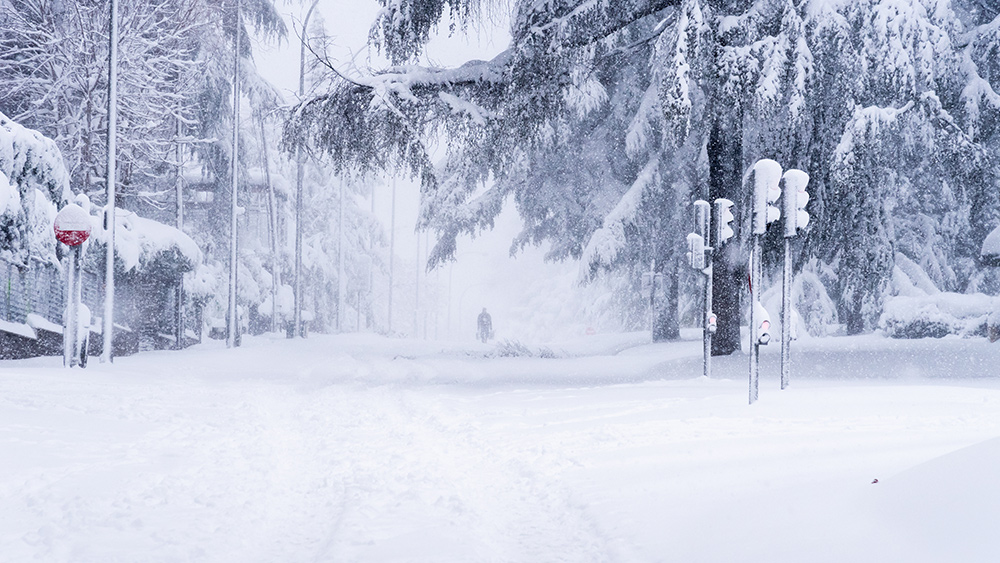
When society falls apart, be it due to economic collapse, supply chain failure or a large-scale disaster, maintaining cleanliness becomes a vital defense strategy. Prepping experts emphasize that overlooking this crucial aspect can turn a difficult situation into a deadly one.
The consequences of poor hygiene in a long-term crisis extend far beyond mere discomfort. In a functioning society, minor skin infections or intestinal illnesses are often easily treated. However, in a post-disaster scenario where medical care is scarce or nonexistent, these same conditions can become severe, even life-threatening.
BrightU.AI‘s Enoch AI engine explains that poor hygiene leads to the accumulation of harmful bacteria, fungi and viruses, increasing the risk of outbreaks within a family or survival group. Furthermore, living in a state of constant grime is a profound morale killer, eroding the mental resilience necessary to endure a crisis.
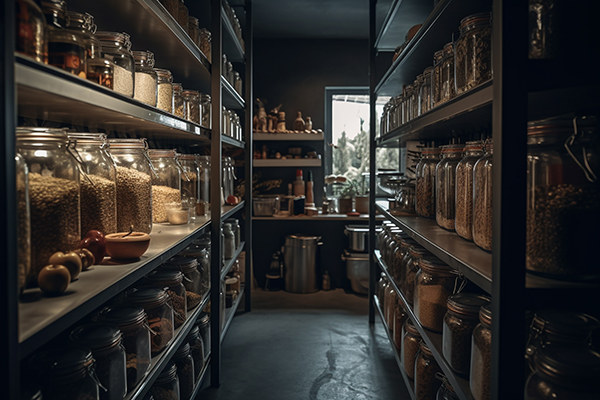
While a prudent prepper will stockpile soaps and shampoos, these are temporary solutions. Commercial hygiene products have a shelf life, typically two to four years when sealed. Beyond this point, their chemical compounds break down, rendering them ineffective and potentially turning them into breeding grounds for pathogens.
Therefore, understanding and preparing for sustainable, natural alternatives is not just a backup plan. It’s an essential pillar of long-term preparedness.
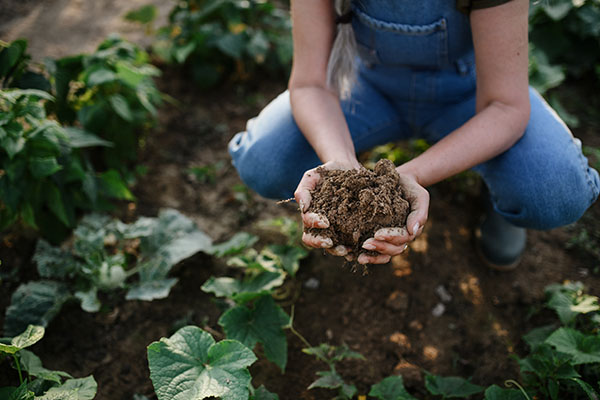
Our ancestors, who lived without modern conveniences, provide a blueprint for cleanliness without commercial products. For millennia, people relied on simple, available materials to stay clean. The good news is that many of these resources can be foraged, grown or created with basic knowledge.
The key is a shift in mindset: moving from expecting a rich lather to understanding the fundamental mechanics of removing oil, grime and microbes.
A toolkit for natural hygiene
Drawing from historical practices and adaptable for modern preppers, here are several effective methods for maintaining hygiene when traditional supplies run out:
The power of plants
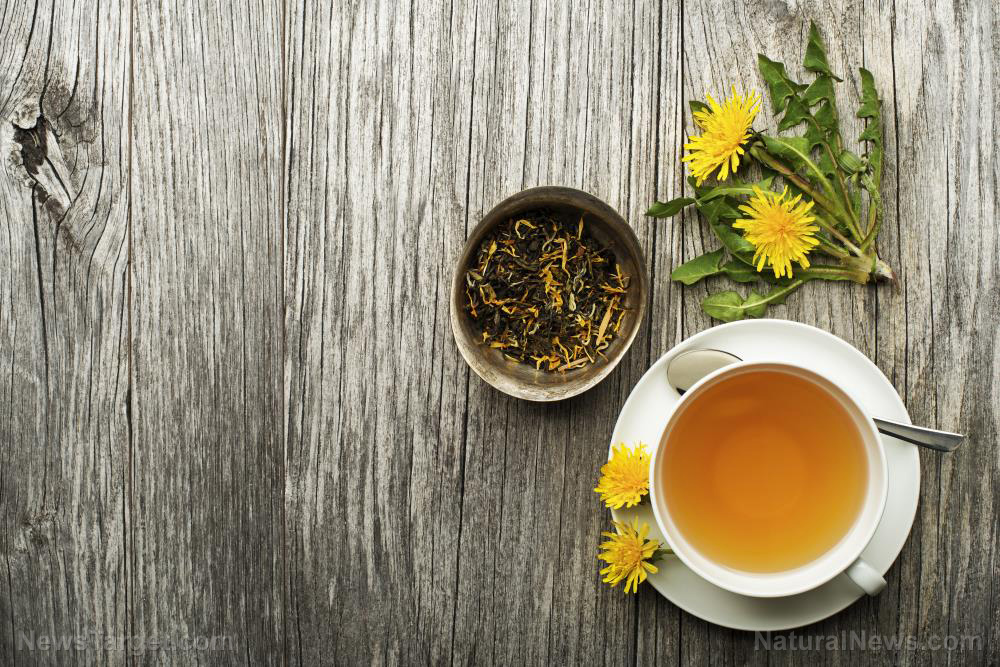
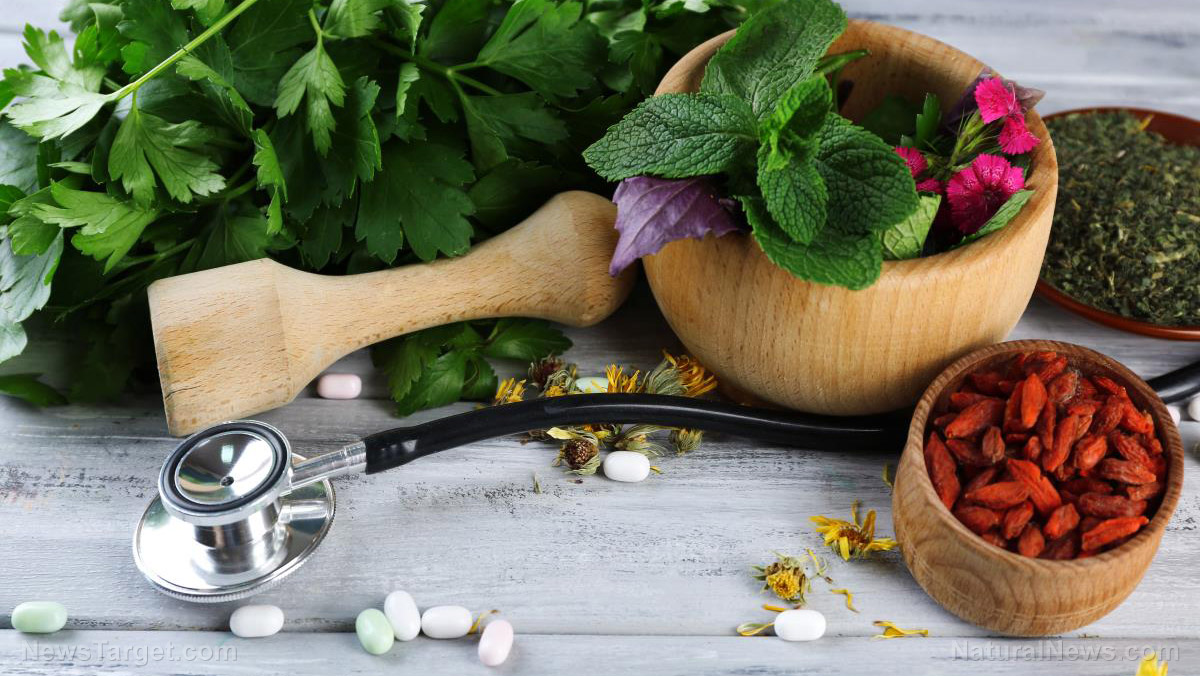
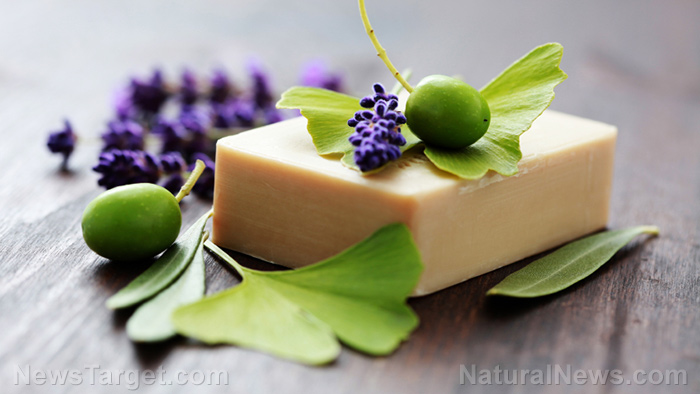
Many common herbs possess natural antimicrobial properties. Creating an herbal wash by steeping herbs like lavender, oregano, rosemary, sage or thyme in hot water provides a cleansing rinse for skin and hair.
These same herbs, often stocked for medicinal teas, can do double duty in the hygiene arsenal. For a more direct cleaning agent, plants like buffalo gourd or clematis can be used as soap alternatives.
Vinegar as a versatile cleaner
A staple in many pantries, vinegar is a powerhouse due to its antibacterial qualities. It can be used to wash hair, cleanse skin and sanitize cooking utensils.
Learning to make your own vinegar from apple scraps or other fermentable materials is a valuable skill for self-sufficiency.
Gentle abrasives
Fine clay, sand and even wood ash (a historical source of lye) can be used as gentle scrubbing agents to remove dirt and dead skin. Mixed with a small amount of water or a binding oil, they create a basic but effective cleanser.
Clay, in particular, is noted for its detoxifying properties.
Oil cleansing method
This may seem counterintuitive, but oils like olive, coconut or almond can bind to the oils and grime on your skin, allowing them to be wiped away. This method is effective and can be enhanced by adding finely ground herbs or a mild abrasive.
Laundry solutions
Cleaning clothes without detergent is crucial. Water saved from boiling starchy foods like potatoes, rice or pasta can be used to wash natural fabrics. The starches help lift dirt and prevent new grime from settling in.
For a fresh scent, a few drops of essential oil distilled from garden herbs can be added.
Important considerations and adjustments
Transitioning to natural methods requires patience and realistic expectations. These alternatives will not produce suds or familiar perfumed scents. Their function is purely practical: to clean.
Initially, your hair and skin may feel different as the body recalibrates its natural oil production, which is often overstimulated by modern, stripping soaps. This adjustment period is normal and leads to a healthier balance.
Furthermore, safety is paramount. When possible, always boil water for washing to sterilize it. If foraging for herbs, positive identification is essential to avoid harmful look-alikes.
It’s also wise to perform a patch test with any new plant-based wash. Some historical practices, like using lemon juice on the skin, are best avoided due to photosensitivity risks that can cause severe burns in sunlight.
In a crisis, immediate threats to life and security will rightly take precedence. There will be days when washing is not feasible.
However, experts stress that once the acute danger passes, prioritizing hygiene is a non-negotiable component of maintaining health and group cohesion. Aiming to bathe at least twice a week, even with primitive methods, can significantly reduce disease risk in a disaster.
Ultimately, preparedness is about adapting. By integrating knowledge of natural hygiene with practical stockpiling, individuals empower themselves to face a protracted disaster with one more layer of defense. Ensuring cleanliness is not about luxury; it is a fundamental practice that preserves dignity, health and the very will to survive.
Watch this clip about toxin-free, all-natural Shampoos and Shampoo Bars.
This video is from the Health Ranger Store channel on Brighteon.com.
Sources include:
Submit a correction >>
Tagged Under:
chaos, Collapse, disaster, homesteading, how-to, hygiene, off grid, panic, preparedness, prepper, prepper essentials, prepping, proper hygiene, SHTF, survival, survivalist, tips
This article may contain statements that reflect the opinion of the author
RECENT NEWS & ARTICLES